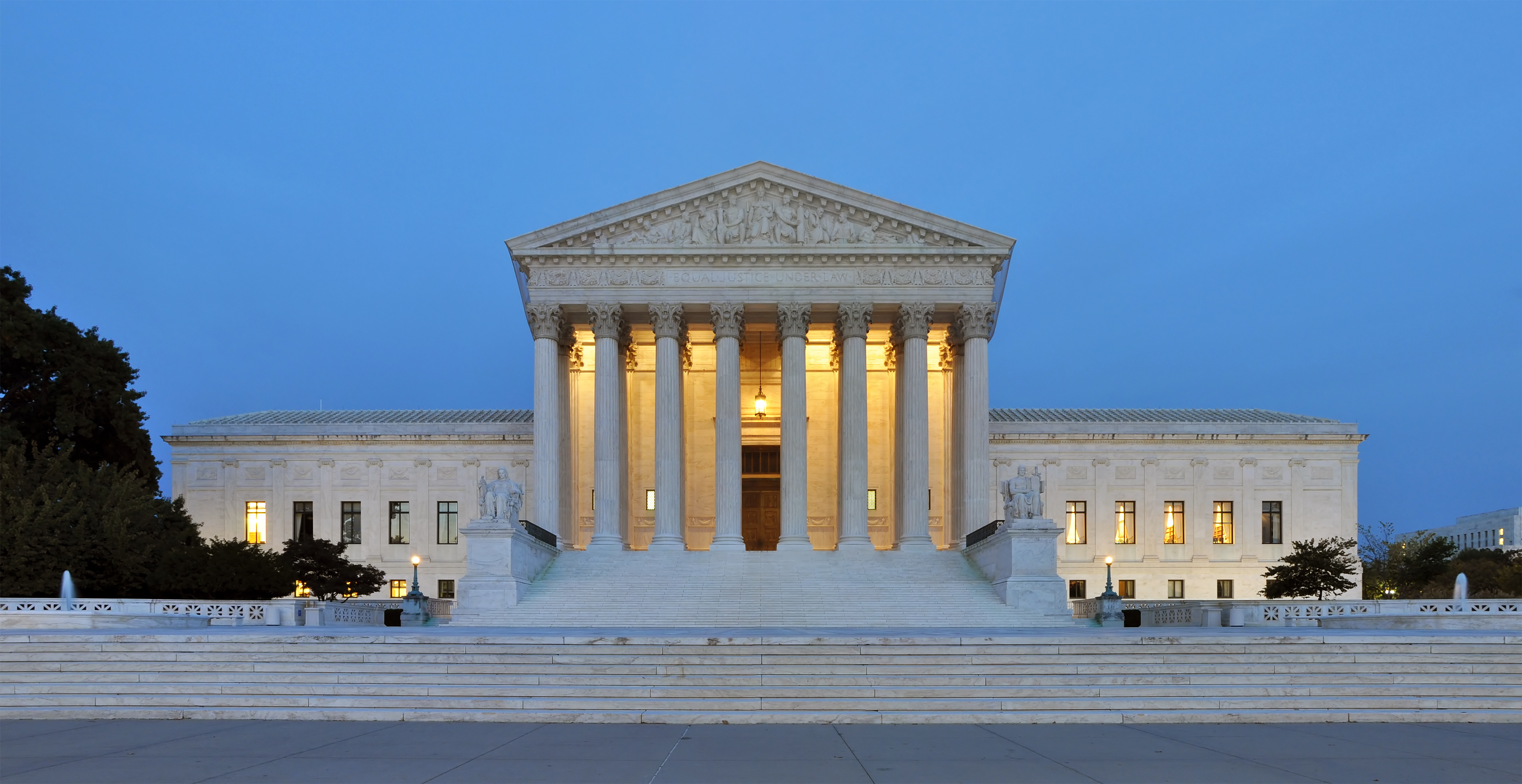
Every word, under oath, exactly as spoken.
Judicial Council Certified Court Interpretation — Spanish — for law offices, courtrooms, mediations, county agencies, and law enforcement across California. Certified. On the record. Held to the same standard the court itself demands.
Three specialties. One certified standard.
California runs separate credentialing systems for the courtroom, the medical-legal exam room, and the conference floor. We hold the correct standing for each, centered on certified Spanish interpretation, and we're precise about which one applies where, because a court administrator, a claims adjuster, or a procurement officer will check.
California Certified Court Interpreter, Spanish
Certified and currently listed on the Judicial Council of California's Master List, in good standing, carrying an active Judicial Council-issued badge with photo, title, identification number, and expiration date, verifiable through the Judicial Council's own registry.
Verify on the Judicial Council Master List →NBCMI Certified Medical-Legal Interpreter
Recognized by the Division of Workers' Compensation for medical-legal evaluations, Qualified, Agreed, and Independent Medical Evaluations. This credential is scoped specifically to the medical exam, not the courtroom.
DWC Interpreter Certification Reference →Executive High-Stakes Strategy Conferences
Real-time interpretation for multi-party proceedings and conference-level assignments, including work for California state government bodies. Reserved for settings where a pause in the record isn't an option.
Learn About Conference Interpreters →These specialties are not interchangeable, and neither are we. Judicial Council certification governs courtroom and law-office work. NBCMI certification governs QME/AME/IME medical evaluations. Conference and simultaneous interpretation is scoped to multi-party and real-time settings. A Workers' Compensation Appeals Board hearing or deposition calls for a fourth credential, the CalHR Administrative Hearing Interpreter certification under Government Code §11435.05, which is on our near-term certification roadmap, not yet claimed.
Every engagement is governed by California Rules of Court, rule 2.890 — Professional Conduct for Interpreters: complete and accurate interpretation, impartiality, confidentiality, and continuing ethics education administered by the Judicial Council. This is the standard we hold ourselves to, in the courtroom and outside it.


Built for the settings that don't tolerate error.
Depositions & Mediation
Deposition interpreting, arbitration, mediation, and attorney-client conferences — precise, impartial, and privileged.
Superior Court Proceedings
Judicial Council–certified interpretation for hearings and courtroom proceedings, appointed as the court requires.
Agencies & Public Services
County departments, clerks' offices, and public-facing government services requiring certified language access.
Police · Sheriff · Fire · CHP · CalFire
Statement-taking, interview support, and community communication for public safety agencies.
QME · AME · IME Evaluations
NBCMI-certified interpretation for medical-legal evaluations used as evidence in workers' compensation and civil proceedings.
Large-Scale & Emergency Engagements
Simultaneous interpretation available for multi-agency or emergency operations, through a vetted, contracted network.
Four services. One standard of precision.
Simultaneous, Consecutive & Sight Interpretation
Certified Document Translation
Deposition & Mediation Interpreting
Legal-Medical Evaluation Interpreting
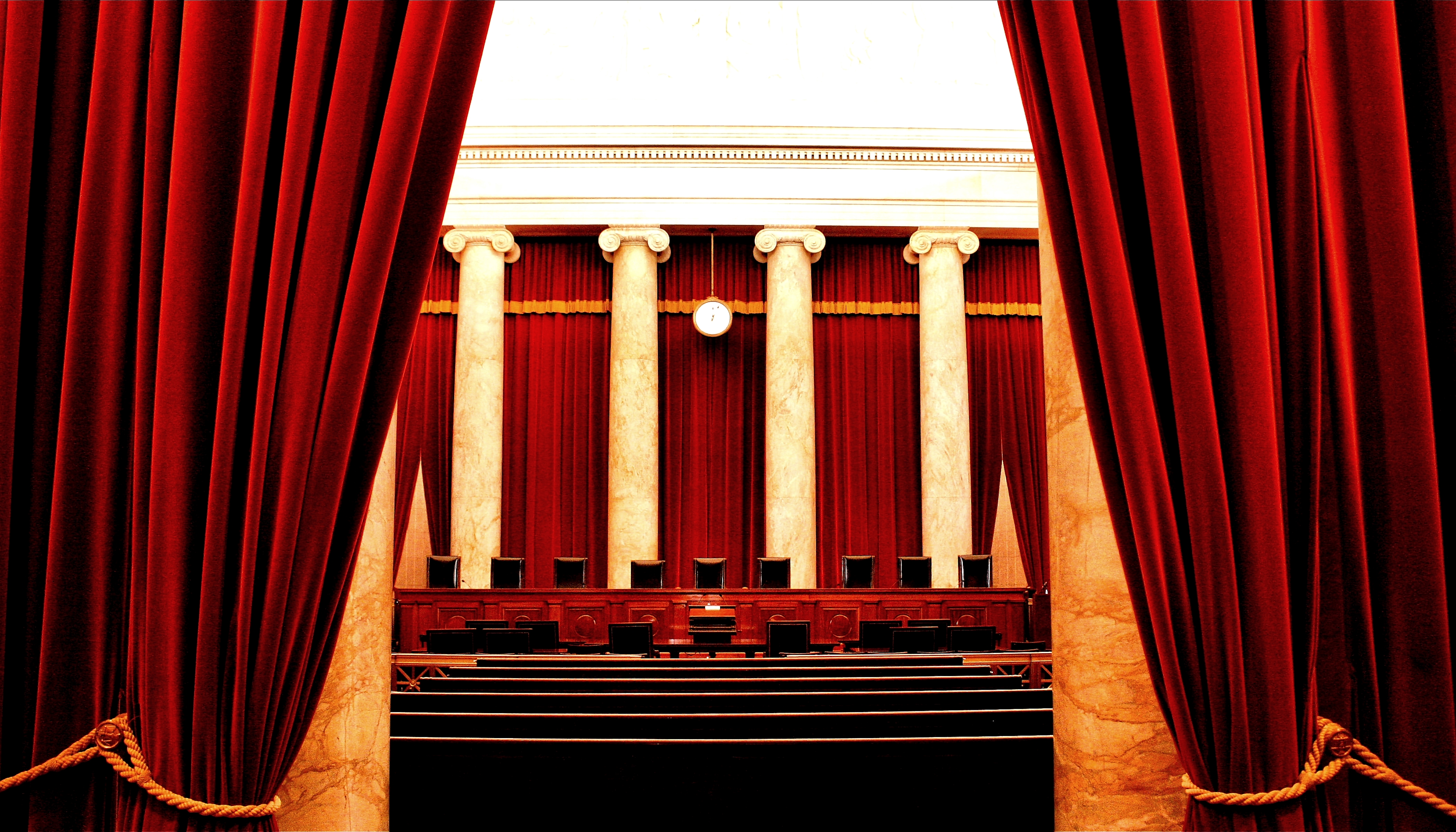
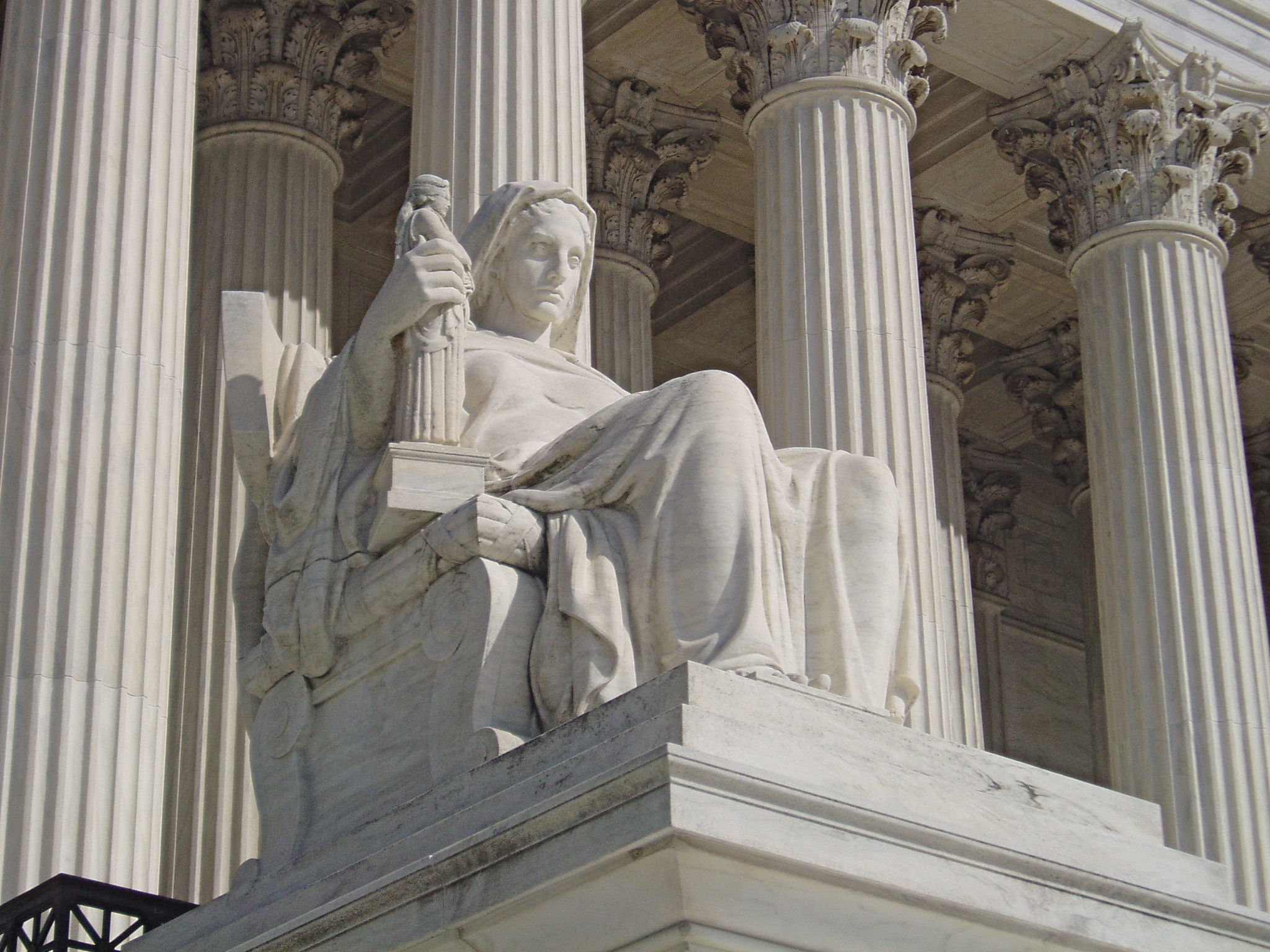
The professionalism the room requires.
A courtroom, a deposition, and a law enforcement interview all carry weight. Our conduct is built to match it — not as a slogan, but as a set of concrete commitments, consistent with California Rules of Court, rule 2.890.
Appearance & Decorum
Formal business attire for every courtroom, deposition, or law-office engagement — no exceptions for informal-seeming settings.
Impartiality
No personal opinions, no advice, no relationship with any party to the matter — disclosed and avoided as a matter of ethics, not just policy.
Complete & Accurate Interpretation
Everything said is interpreted — nothing embellished, omitted, or edited — for the full duration of the proceeding.
Confidentiality
Privileged and sensitive information is protected as a professional obligation, not a courtesy.
Punctuality & Preparation
Terminology review and scheduling confirmation ahead of every engagement — arrival with time to spare, not to spare.
Continuing Education
Ongoing ethics and skills training consistent with Judicial Council requirements for credentialed interpreters.
Disclosure of Limits
Any reservation about ability to competently perform an assignment is disclosed immediately — not discovered mid-proceeding.
Accurate Self-Representation
Certifications, training, and experience are represented exactly as they are — no inflation, no ambiguity.
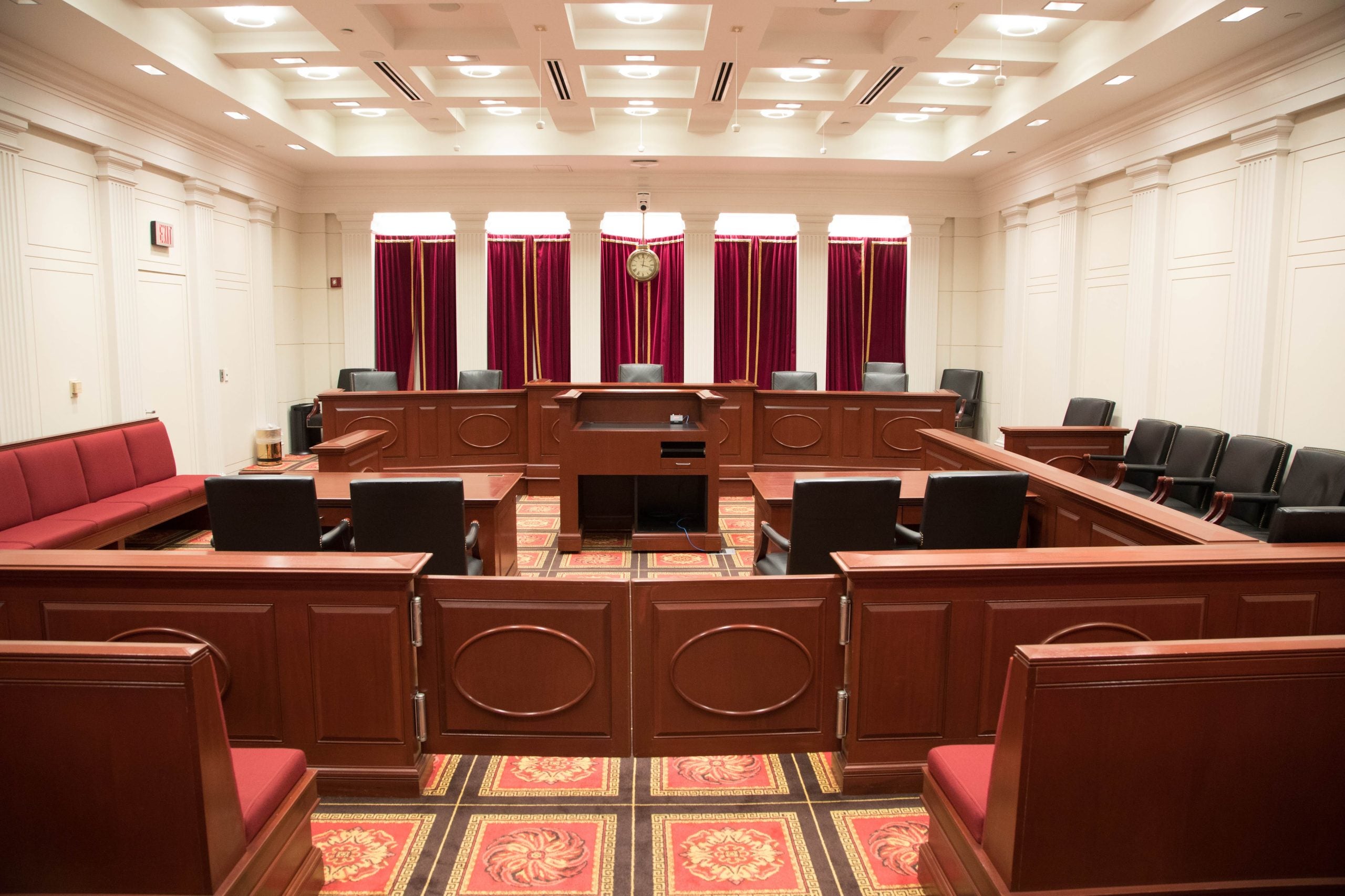
Three specialties. One certified language of record.
Our practice is built around certified Spanish interpretation: the credential, the standard, and the accountability all sit with us directly, across three defined specialties.
Court interpretation, medical-legal interpretation, and conference-level simultaneous interpretation each call for different training, different protocols, and different certifying bodies. We hold standing in each, and we don't take assignments outside what we're certified to do.

Request an interpreter.
Tell us about the matter and we'll confirm credentials, availability, and scheduling — including verification of Master List status directly through the Judicial Council registry if needed.
- Direct Email
- infodesk@paradisecaproits.org
- Phone
- (530) 282-5224
- Address
- 6616 Clark Rd STE C # 352
Paradise, CA 95969
Judicial Council Master List status is independently verifiable at languageaccess.courts.ca.gov; we encourage clients to confirm directly.
Every word, under oath, exactly as spoken.
Judicial Council Certified Court Interpretation — Spanish — for law offices, courtrooms, mediations, county agencies, and law enforcement across California. Certified. On the record. Held to the same standard the court itself demands.
Three specialties. One certified standard.
California runs separate credentialing systems for the courtroom, the medical-legal exam room, and the conference floor. We hold the correct standing for each, centered on certified Spanish interpretation, and we're precise about which one applies where, because a court administrator, a claims adjuster, or a procurement officer will check.
California Certified Court Interpreter, Spanish
Certified and currently listed on the Judicial Council of California's Master List, in good standing, carrying an active Judicial Council-issued badge with photo, title, identification number, and expiration date, verifiable through the Judicial Council's own registry.
Verify on the Judicial Council Master List →NBCMI Certified Medical-Legal Interpreter
Recognized by the Division of Workers' Compensation for medical-legal evaluations, Qualified, Agreed, and Independent Medical Evaluations. This credential is scoped specifically to the medical exam, not the courtroom.
DWC Interpreter Certification Reference →Executive High-Stakes Strategy Conferences
Real-time interpretation for multi-party proceedings and conference-level assignments, including work for California state government bodies. Reserved for settings where a pause in the record isn't an option.
Learn About Conference Interpreters →These specialties are not interchangeable, and neither are we. Judicial Council certification governs courtroom and law-office work. NBCMI certification governs QME/AME/IME medical evaluations. Conference and simultaneous interpretation is scoped to multi-party and real-time settings. A Workers' Compensation Appeals Board hearing or deposition calls for a fourth credential, the CalHR Administrative Hearing Interpreter certification under Government Code §11435.05, which is on our near-term certification roadmap, not yet claimed.
Every engagement is governed by California Rules of Court, rule 2.890 — Professional Conduct for Interpreters: complete and accurate interpretation, impartiality, confidentiality, and continuing ethics education administered by the Judicial Council. This is the standard we hold ourselves to, in the courtroom and outside it.
Built for the settings that don't tolerate error.
Depositions & Mediation
Deposition interpreting, arbitration, mediation, and attorney-client conferences — precise, impartial, and privileged.
Superior Court Proceedings
Judicial Council–certified interpretation for hearings and courtroom proceedings, appointed as the court requires.
Agencies & Public Services
County departments, clerks' offices, and public-facing government services requiring certified language access.
Police · Sheriff · Fire · CHP · CalFire
Statement-taking, interview support, and community communication for public safety agencies.
QME · AME · IME Evaluations
NBCMI-certified interpretation for medical-legal evaluations used as evidence in workers' compensation and civil proceedings.
Large-Scale & Emergency Engagements
Simultaneous interpretation available for multi-agency or emergency operations, through a vetted, contracted network.
Four services. One standard of precision.
Simultaneous, Consecutive & Sight Interpretation
Certified Document Translation
Deposition & Mediation Interpreting
Legal-Medical Evaluation Interpreting
The professionalism the room requires.
A courtroom, a deposition, and a law enforcement interview all carry weight. Our conduct is built to match it — not as a slogan, but as a set of concrete commitments, consistent with California Rules of Court, rule 2.890.
Appearance & Decorum
Formal business attire for every courtroom, deposition, or law-office engagement — no exceptions for informal-seeming settings.
Impartiality
No personal opinions, no advice, no relationship with any party to the matter — disclosed and avoided as a matter of ethics, not just policy.
Complete & Accurate Interpretation
Everything said is interpreted — nothing embellished, omitted, or edited — for the full duration of the proceeding.
Confidentiality
Privileged and sensitive information is protected as a professional obligation, not a courtesy.
Punctuality & Preparation
Terminology review and scheduling confirmation ahead of every engagement — arrival with time to spare, not to spare.
Continuing Education
Ongoing ethics and skills training consistent with Judicial Council requirements for credentialed interpreters.
Disclosure of Limits
Any reservation about ability to competently perform an assignment is disclosed immediately — not discovered mid-proceeding.
Accurate Self-Representation
Certifications, training, and experience are represented exactly as they are — no inflation, no ambiguity.
Three specialties. One certified language of record.
Our practice is built around certified Spanish interpretation: the credential, the standard, and the accountability all sit with us directly, across three defined specialties.
Court interpretation, medical-legal interpretation, and conference-level simultaneous interpretation each call for different training, different protocols, and different certifying bodies. We hold standing in each, and we don't take assignments outside what we're certified to do.
Request an interpreter.
Tell us about the matter and we'll confirm credentials, availability, and scheduling — including verification of Master List status directly through the Judicial Council registry if needed.
- Direct Email
- infodesk@paradisecaproits.org
- Phone
- (530) 282-5224
- Address
- 6616 Clark Rd STE C # 352
Paradise, CA 95969
Judicial Council Master List status is independently verifiable at languageaccess.courts.ca.gov; we encourage clients to confirm directly.